Media boundaryVisualization — source-backed explainer, not documentary media. This local SVG remains explanatory media, not documentary source media.
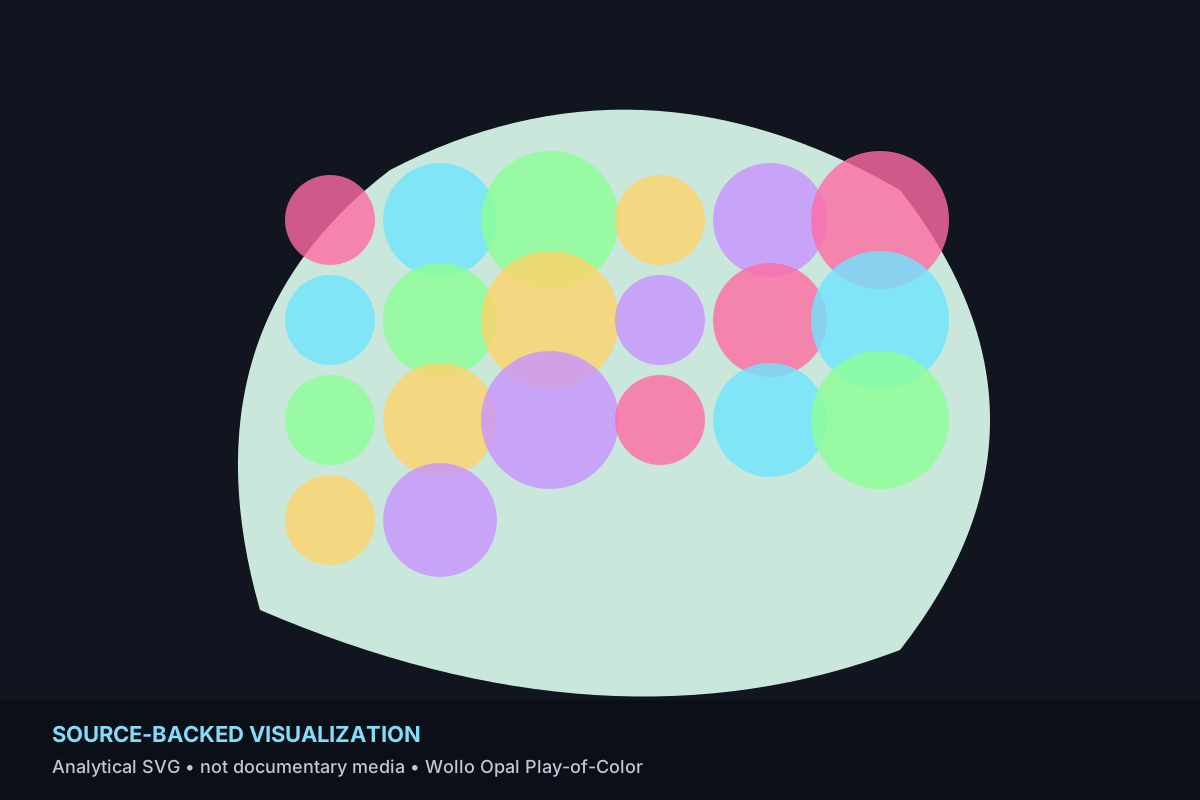
A Wollo opal can break light into shifting spectral patches known as play-of-color.
Source-backed record material
The Smithsonian identifies the Wollo, Ethiopia opal specimen. GIA explains that opal play-of-color arises from light interacting with orderly arrays of microscopic silica spheres, producing diffraction-related spectral color.
Media boundaryVisualization — source-backed explainer, not documentary media. This local SVG remains explanatory media, not documentary source media.
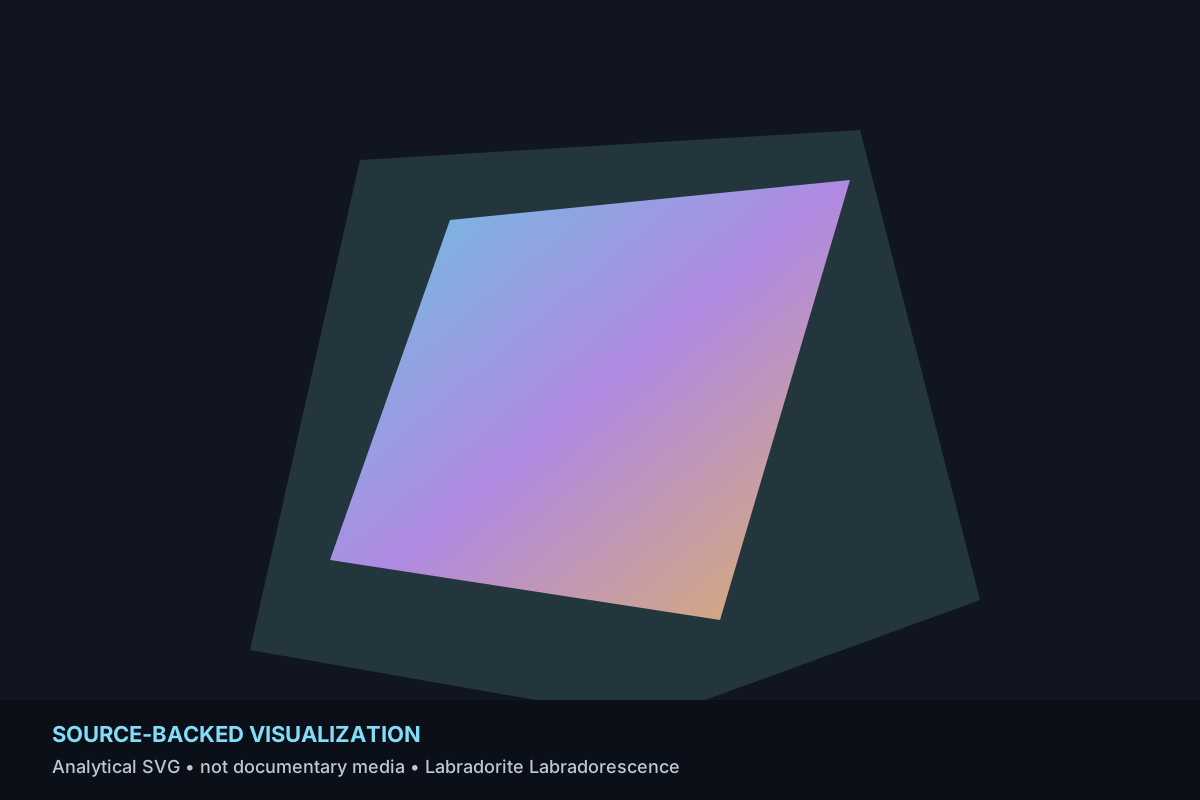
Labradorite can flash bands of blue, green and other colors as its orientation to light changes.
Source-backed record material
The Smithsonian specimen demonstrates labradorite iridescence; gemological explanation attributes labradorescence to interference from thin internal lamellar layers, making color change strongly with viewing geometry.
Media boundaryVisualization — source-backed explainer, not documentary media. This local SVG remains explanatory media, not documentary source media.
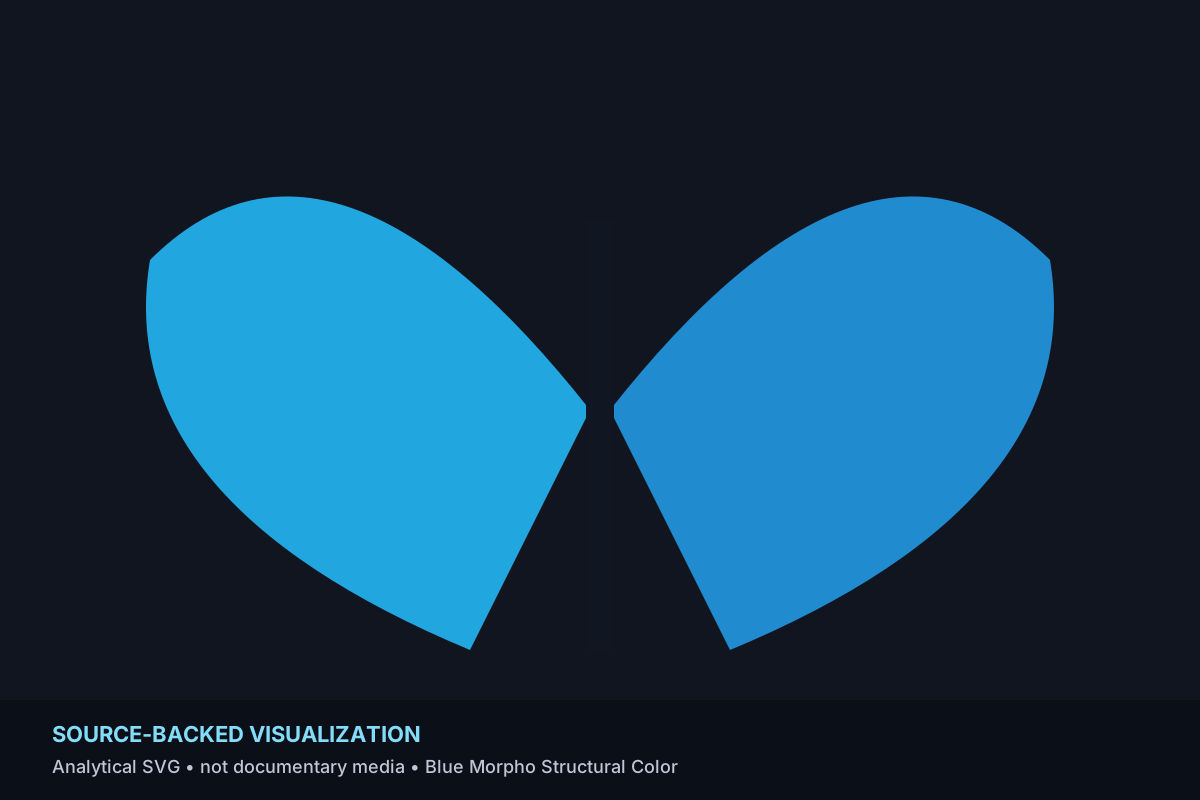
A blue morpho butterfly produces brilliant blue through microscopic wing-scale structure rather than blue pigment alone.
Source-backed record material
Smithsonian educational material explains that microscopic grooves and layers in morpho wing scales selectively reinforce blue reflected light while other wavelengths cancel, producing intense structural color.
Media boundaryVisualization — source-backed explainer, not documentary media. This local SVG remains explanatory media, not documentary source media.
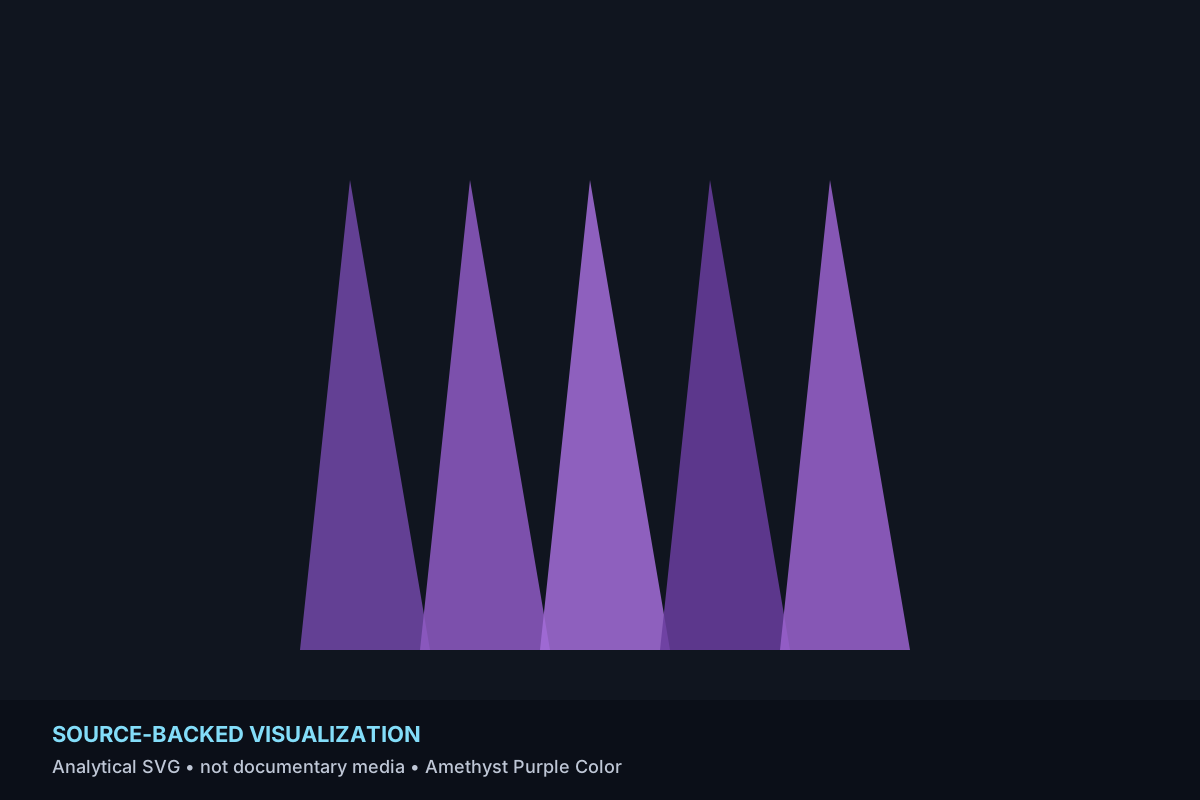
Amethyst’s purple color can range from pale violet to saturated purple within transparent quartz.
Source-backed record material
The Smithsonian identifies the amethyst specimen. Gemological research describes amethyst purple as associated with iron-related color centers activated by natural irradiation; this is a general mechanism and is not asserted as a specimen-specific chemical analysis.
Amethyst enters as a contrast: its published record asks a different color question from the preceding structural-color examples. The bridge is editorial.
No normalized relationship record is created by this transition.
Media boundaryVisualization — source-backed explainer, not documentary media. This local SVG remains explanatory media, not documentary source media.
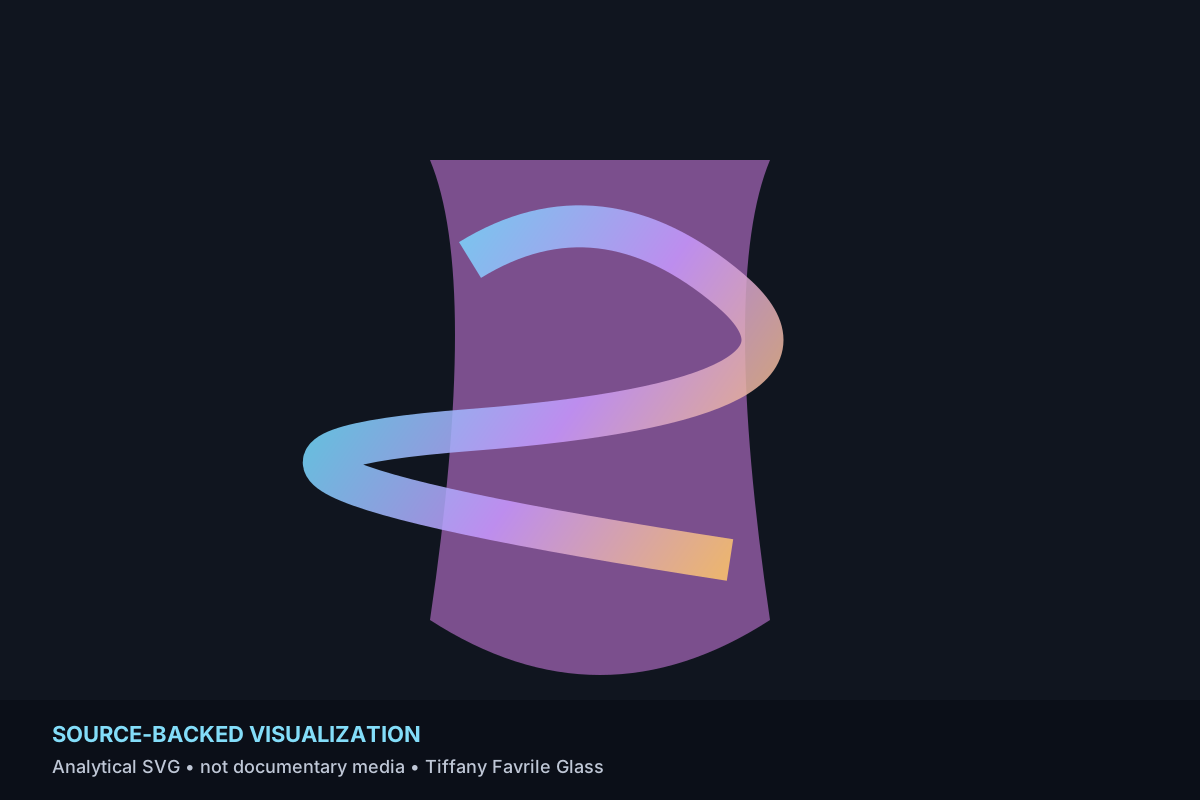
Tiffany Favrile glass uses surface color, transparency and finish to make a vessel change character with light.
Source-backed record material
The Met identifies the 1893–96 vase as Favrile glass by Louis Comfort Tiffany / Tiffany Glass & Decorating Company and describes Tiffany’s interest in natural and ancient-glass color effects. BVU treats the rendered surface bands as a curated visualization, not a reproduction.
The final step moves from a mineral color record to crafted Favrile glass to compare natural material color with deliberate material craft; no shared mechanism is implied.
No normalized relationship record is created by this transition.
Connected discovery
Continue through reviewed visual records
These parent recommendations are bounded and non-sponsored. Curated journey order does not change canonical relationship evidence.