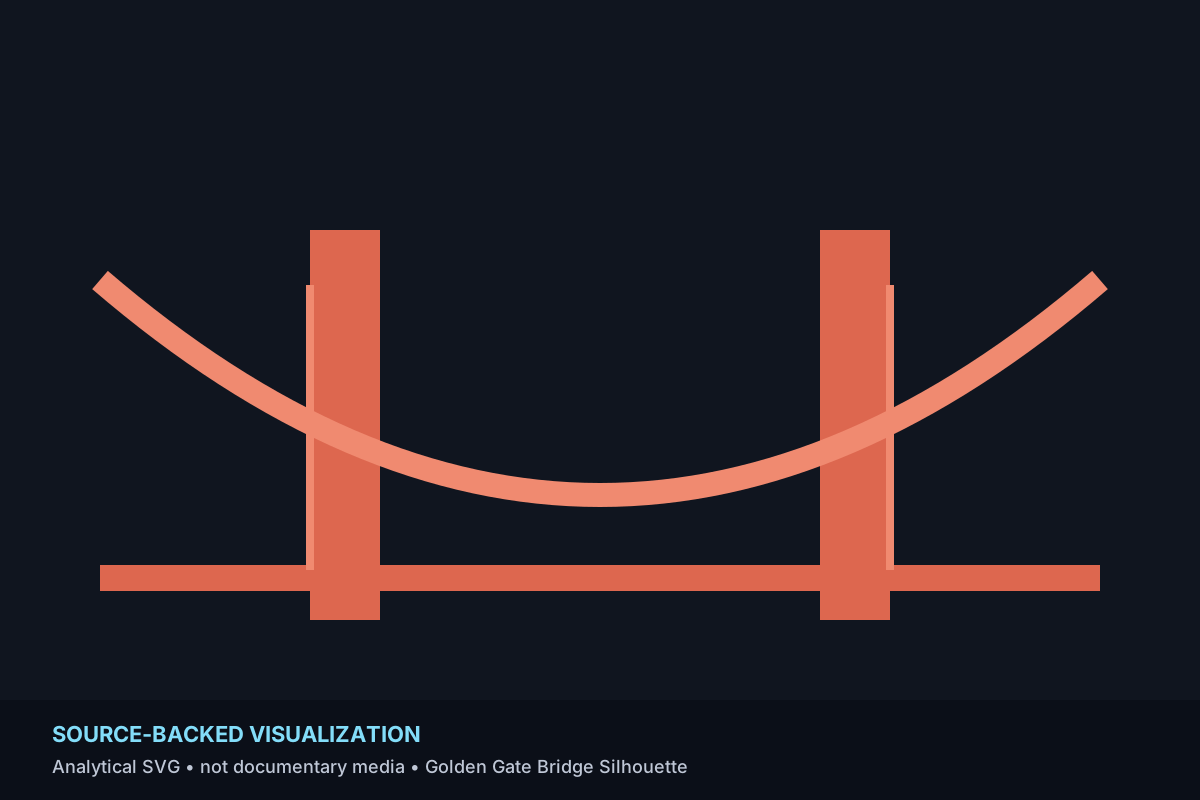
Media boundaryVisualization — source-backed explainer, not documentary media. This local SVG remains explanatory media, not documentary source media.
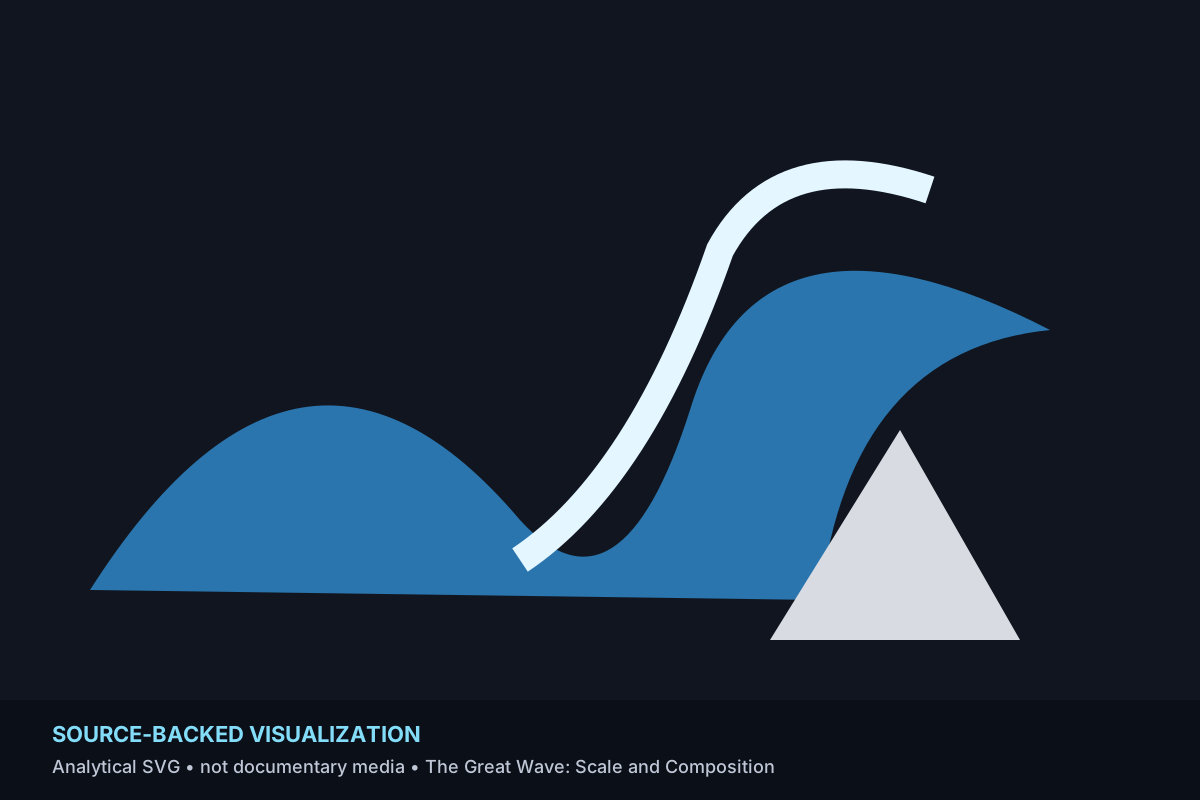
Hokusai’s Great Wave compresses wave, boats and distant Mount Fuji into an extreme contrast of scale and curved motion.
Source-backed record material
The Met identifies the print as Hokusai’s ca. 1830–32 woodblock print and notes its dramatic perspective, with Mount Fuji made small beneath the wave’s curling crest. The composition turns scale itself into a visual event.
Media boundaryVisualization — source-backed explainer, not documentary media. This local SVG remains explanatory media, not documentary source media.
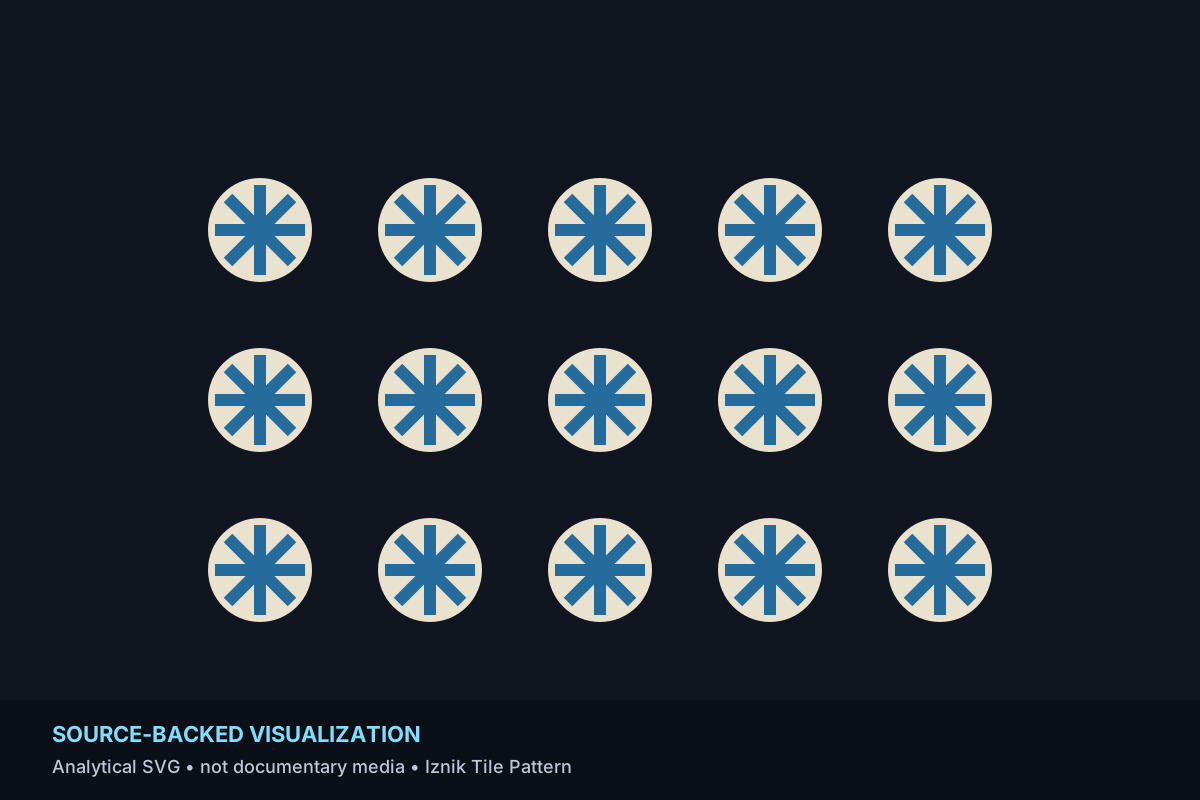
A sixteenth-century Iznik tile panel builds visual rhythm through repeated polychrome motifs under transparent glaze.
Source-backed record material
The Met identifies the panel as Iznik stonepaste with polychrome decoration under transparent glaze. Repetition, symmetry and high-contrast color organize many tiles into a larger continuous pattern.
Media boundaryVisualization — source-backed explainer, not documentary media. This local SVG remains explanatory media, not documentary source media.
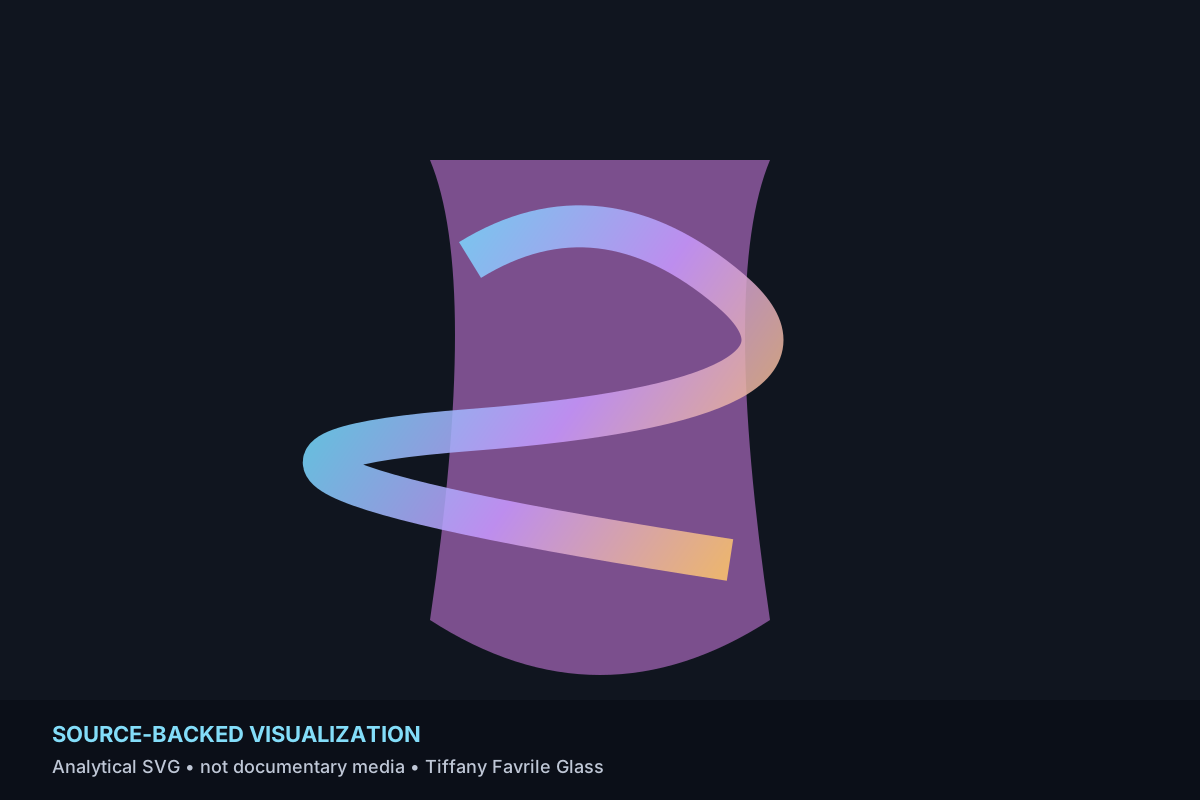
Tiffany Favrile glass uses surface color, transparency and finish to make a vessel change character with light.
Source-backed record material
The Met identifies the 1893–96 vase as Favrile glass by Louis Comfort Tiffany / Tiffany Glass & Decorating Company and describes Tiffany’s interest in natural and ancient-glass color effects. BVU treats the rendered surface bands as a curated visualization, not a reproduction.
Media boundaryVisualization — source-backed explainer, not documentary media. This local SVG remains explanatory media, not documentary source media.
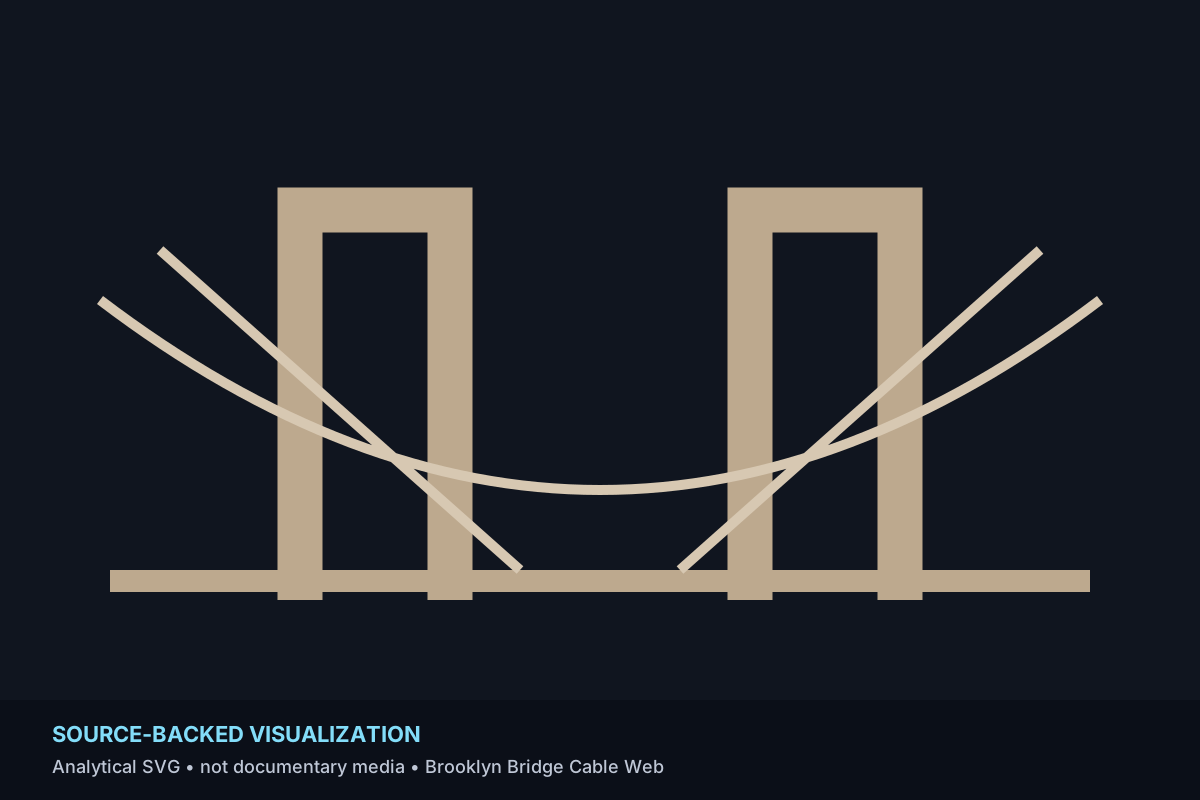
The Brooklyn Bridge’s stone towers and dense cable pattern create a layered architectural geometry.
No source-backed explanation promoted here
Published entry truth state: Curated. Open the entry for its full boundary.
Editorial bridge
The sequence changes from crafted surface to built structural pattern. The connection is an editorial shift from repeated surface organization to repeated cables and spans.
No normalized relationship record is created by this transition.