Skip to Breathtaking Visuals Universe content
Infinite Concept Universeresearch · make · build · play
Navigate the universe

Choose a direction.

Plan 5 treats the original eight worlds as historical origins, not mandatory top-level navigation.

Curated Collection · editorial lens

Light in Materials

Materials where color and light behavior become the central visual question.

Follow color through minerals, biological structures and crafted glass while keeping each reviewed color mechanism separate.

Exact membership

Why these records sit together

Every card links back to the full Visual Entry, where source, provenance, rights and relationship evidence remain authoritative.

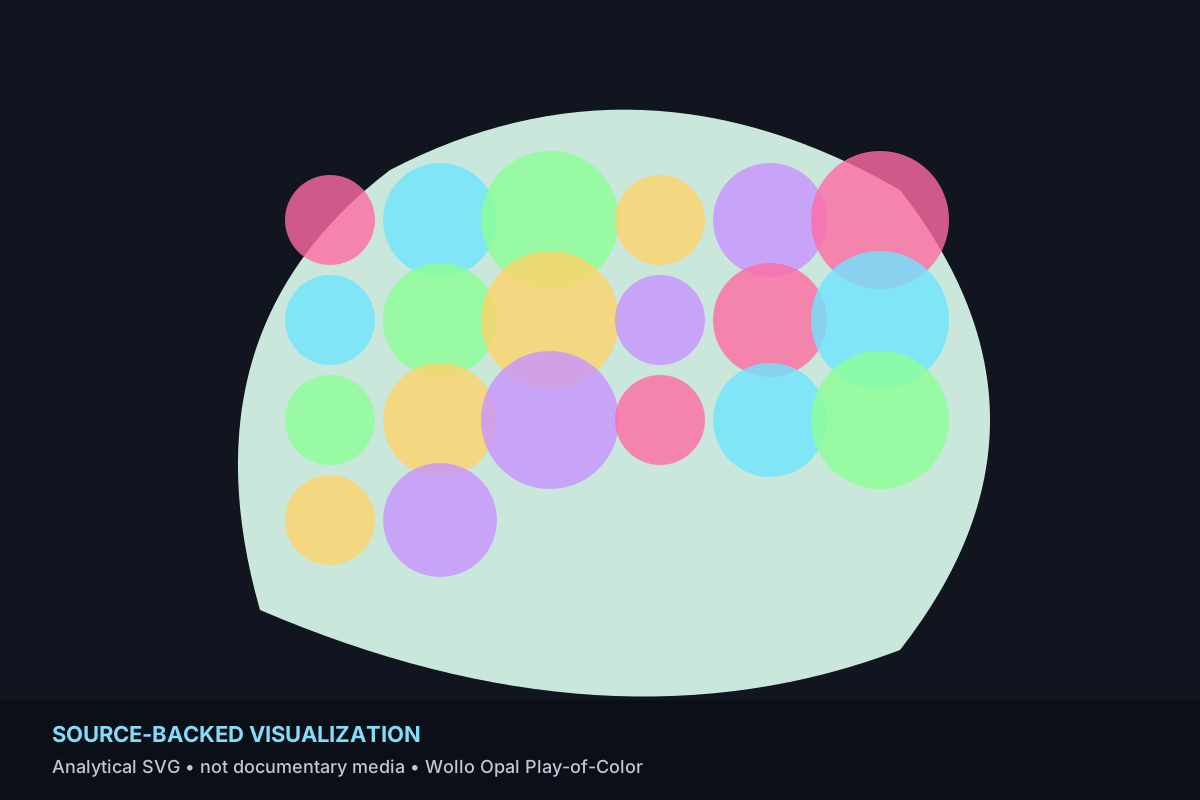
Simplified explanatory visualization for Wollo Opal Play-of-Color; not documentary source media.

Source Backed

Wollo Opal Play-of-Color

A Wollo opal can break light into shifting spectral patches known as play-of-color.

Why it belongs — editorialEditorial membership is based on the published BVU metadata for this entry: Minerals Materials, Light Color Optics, Extreme Scale; visual lens: Iridescence, Color. Membership is a discovery grouping, not a new claim about shared cause or origin.
Source-backed entry materialThe Smithsonian identifies the Wollo, Ethiopia opal specimen. GIA explains that opal play-of-color arises from light interacting with orderly arrays of microscopic silica spheres, producing diffraction-related spectral color.
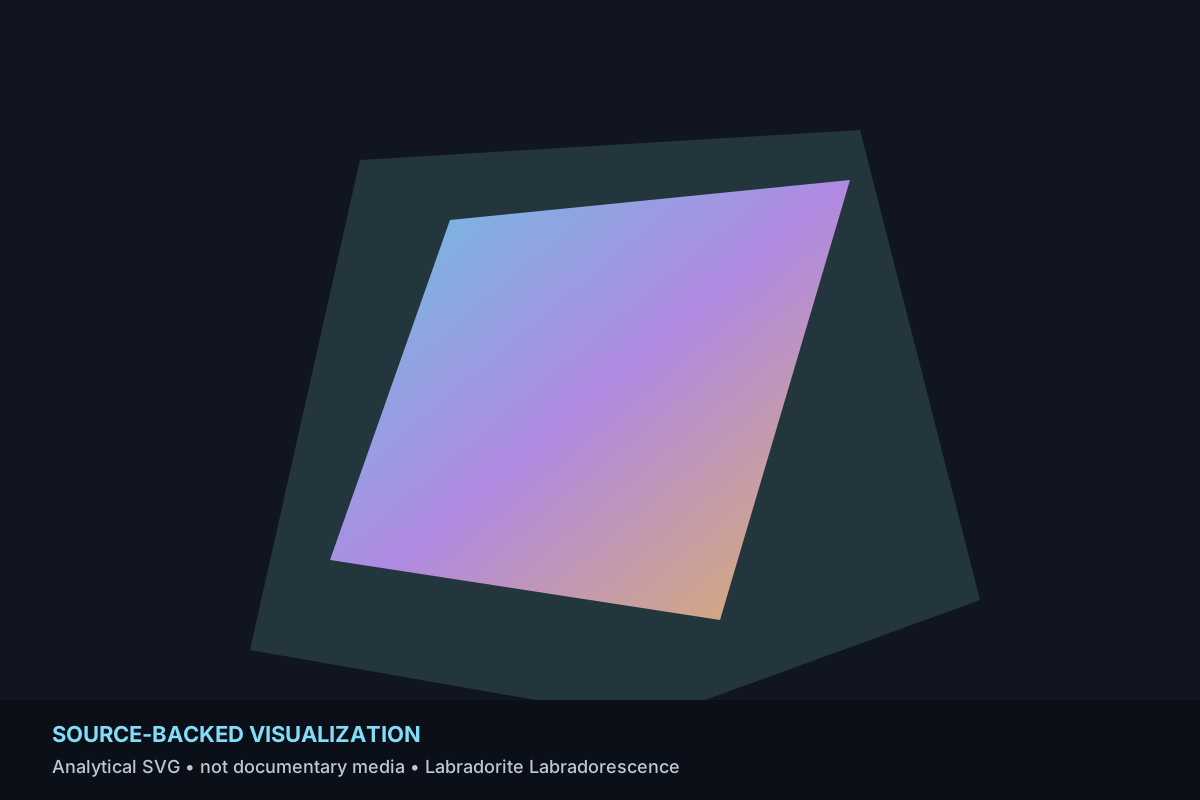
Simplified explanatory visualization for Labradorite Labradorescence; not documentary source media.

Source Backed

Labradorite Labradorescence

Labradorite can flash bands of blue, green and other colors as its orientation to light changes.

Why it belongs — editorialEditorial membership is based on the published BVU metadata for this entry: Minerals Materials, Light Color Optics; visual lens: Iridescence, Color. Membership is a discovery grouping, not a new claim about shared cause or origin.
Source-backed entry materialThe Smithsonian specimen demonstrates labradorite iridescence; gemological explanation attributes labradorescence to interference from thin internal lamellar layers, making color change strongly with viewing geometry.
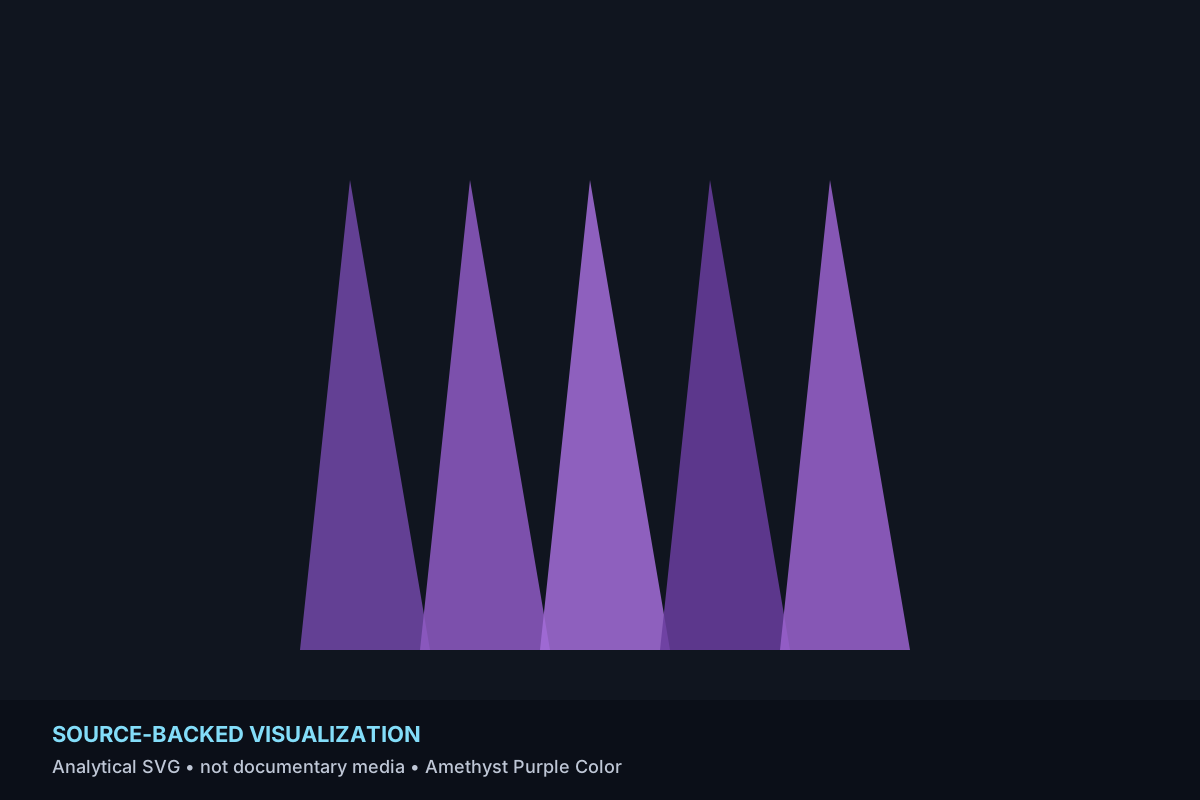
Simplified explanatory visualization for Amethyst Purple Color; not documentary source media.

Source Backed

Amethyst Purple Color

Amethyst’s purple color can range from pale violet to saturated purple within transparent quartz.

Why it belongs — editorialEditorial membership is based on the published BVU metadata for this entry: Minerals Materials, Light Color Optics; visual lens: Color, Transparency. Membership is a discovery grouping, not a new claim about shared cause or origin.
Source-backed entry materialThe Smithsonian identifies the amethyst specimen. Gemological research describes amethyst purple as associated with iron-related color centers activated by natural irradiation; this is a general mechanism and is not asserted as a specimen-specific chemical analysis.
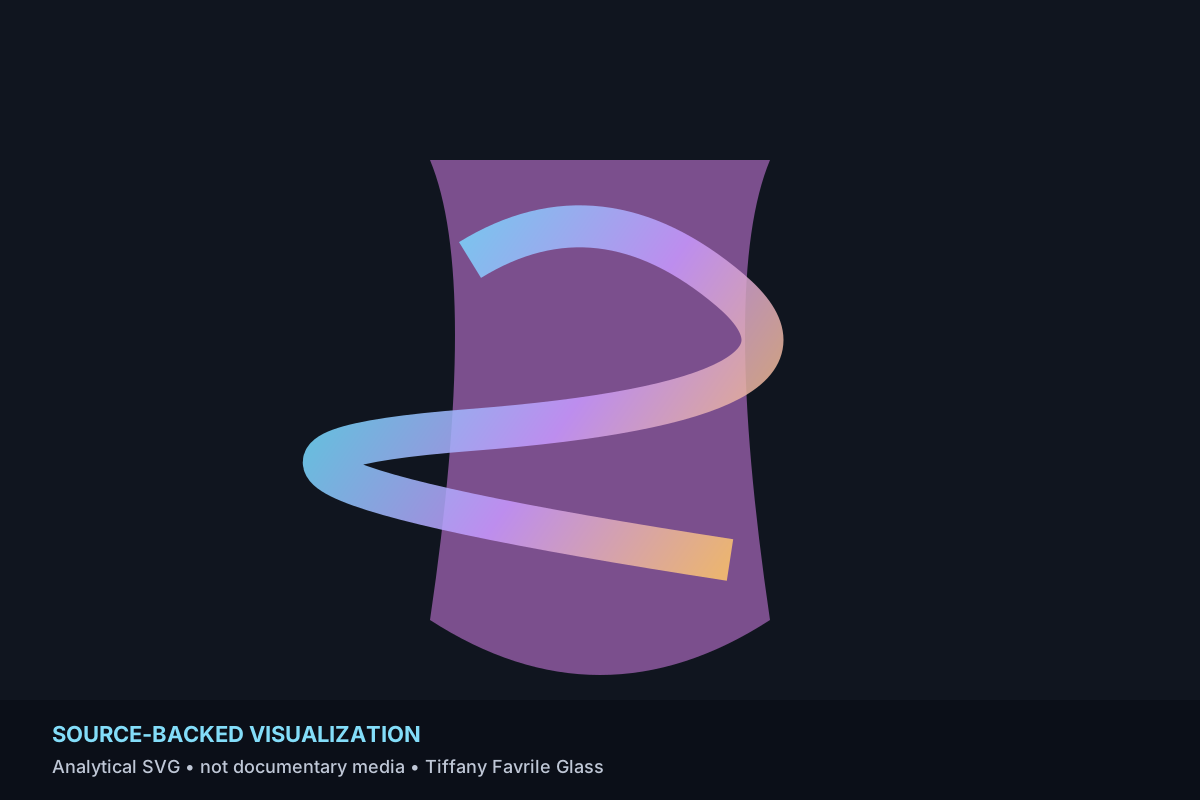
Simplified explanatory visualization for Tiffany Favrile Glass; not documentary source media.

Source Backed

Tiffany Favrile Glass

Tiffany Favrile glass uses surface color, transparency and finish to make a vessel change character with light.

Why it belongs — editorialEditorial membership is based on the published BVU metadata for this entry: Art Visual Culture, Minerals Materials, Light Color Optics; visual lens: Iridescence, Color. Membership is a discovery grouping, not a new claim about shared cause or origin.
Source-backed entry materialThe Met identifies the 1893–96 vase as Favrile glass by Louis Comfort Tiffany / Tiffany Glass & Decorating Company and describes Tiffany’s interest in natural and ancient-glass color effects. BVU treats the rendered surface bands as a curated visualization, not a reproduction.

Continue

Change the lens without changing the facts.